
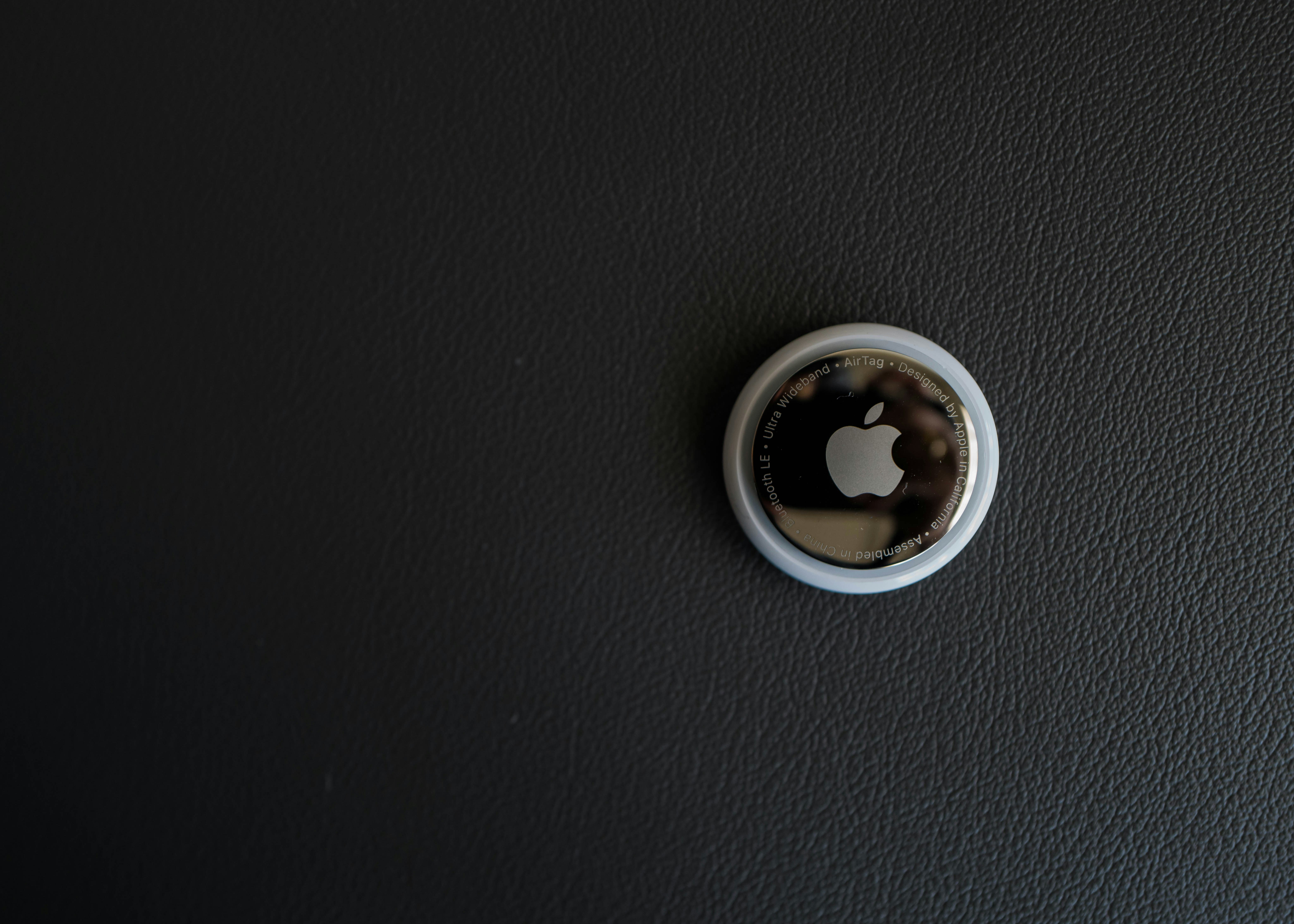
What is the Apple AirTag?
The Apple AirTag is a small, disc-shaped tracking device designed to help users locate their belongings efficiently. As part of the Apple ecosystem, it integrates seamlessly with Apple devices, enabling users to track items such as keys, luggage, and bags through the Find My app. The AirTag utilizes advanced technologies including Bluetooth and Ultra-Wideband (UWB) to provide accurate location data, making it easier than ever for people to keep track of their possessions.
One of the standout features of the AirTag is its precision finding capability. Leveraging UWB technology, the device offers users extremely accurate directional guidance to locate misplaced items within a close range. This feature is particularly advantageous in crowded areas or when searching for small items in a home or office setting. When connected to a compatible iPhone, users receive visual and auditory cues that guide them directly to the AirTag’s location.
In terms of design, the AirTag is compact and lightweight, measuring approximately 1.26 inches in diameter and 0.31 inches in thickness. This portability ensures that it can easily be attached to various items, whether using a keychain, loop, or adhesive accessory. Built with durability in mind, the AirTag is waterproof and dustproof, providing reliable tracking capabilities in various environments.
Moreover, the AirTag features a user-friendly setup process that allows users to pair their device quickly through the Find My app. Once set up, the AirTag automatically connects to a vast network of Apple devices, significantly increasing the chances of locating lost items. In conclusion, the Apple AirTag represents a sophisticated solution for tracking personal belongings, combining innovative technology with practical design for everyday use.
Key Features and Advantages of the 4-Pack
The Apple AirTag, especially in the 4-pack option, offers a comprehensive solution for managing and tracking personal items. One of the most significant advantages of purchasing multiple AirTags at once is the expanded tracking coverage it affords users. By equipping various possessions—such as keys, bags, and even pets—with an individual AirTag, users can effortlessly keep tabs on their essential items, minimizing the likelihood of misplacement.
Each AirTag is not only equipped with precision tracking capabilities but also allows for personalization, adding an extra layer of convenience and individuality. The 4-pack option enables users to customize each tag with unique names and emojis, making identification straightforward and enjoyable. This feature enhances user experience, as locating an object becomes a simple process of navigating through the app while recognizing these personalized tags.
Cost efficiency is another significant advantage when purchasing the AirTag 4-pack. Instead of buying individual AirTags, which can be more expensive per unit, acquiring them in a bundle often results in savings. This cost-effective approach makes it easier for consumers to invest in multiple devices without breaking the bank, ensuring that they have sufficient coverage for all their essentials.
Furthermore, the compatibility of AirTags with a wide range of Apple devices—such as iPhones, iPads, and MacBooks—cannot be overlooked. Leveraging the Ultra-Wideband technology present in newer devices, AirTags provide precise location tracking, allowing users to find lost items with remarkable accuracy. By integrating seamlessly with the Find My app, AirTags enhance everyday life, facilitating efficient organization and peace of mind regarding one’s belongings.
Real-World Applications and Use Cases
Apple’s AirTag tracking device has emerged as an innovative solution for a variety of practical scenarios, assisting users in locating lost items with remarkable ease. One of the most common applications of AirTags is their ability to track keys. Many individuals often misplace their keys, leading to frustration and delays. By attaching an AirTag to a keyring, users gain the ability to use their iPhone to quickly locate them through the Find My app, thereby streamlining their daily routines.
Another notable use case for AirTags is luggage tracking. As travelers often experience the inconvenience of lost luggage, an AirTag can serve as an effective measure for enhanced peace of mind. Travelers can simply place an AirTag in their suitcase, allowing them to monitor its location throughout their journey. Testimonies from frequent flyers indicate that this simple addition has significantly reduced anxiety during travel, contributing to a more enjoyable experience.
AirTags also prove beneficial for pet owners, who can attach them to their pets’ collars to keep track of their furry friends. In cases where a pet escapes or goes missing, having an AirTag can facilitate a swift resolution. Many users have reported successful recoveries of their pets, showcasing the practical applications of AirTags in everyday life.
Moreover, cyclists have found AirTags useful for tracking bicycles. By discreetly placing an AirTag on their bike, riders can monitor its location and have a greater chance of recovery if stolen. However, it is important to recognize certain limitations associated with AirTags, particularly in scenarios where items are out of Bluetooth range or in densely populated areas where crowd-sourced location data might not be reliable. Understanding both the advantages and constraints of AirTags aids users in fully maximizing their potentials.
Setting Up and Using Your AirTags: A Step-by-Step Guide
Setting up your Apple AirTags is a straightforward process that allows users to effectively track their belongings. Initially, ensure that your iPhone or iPad is updated to the latest version of iOS. This is essential, as AirTags require iOS 14.5 or later for optimal functionality. To begin, take the AirTag out of its packaging and remove the battery tab. You’ll hear a sound indicating that the AirTag is powered on.
Next, bring the AirTag close to your iPhone or iPad. A prompt will appear on your device screen, guiding you through the pairing process. Click on ‘Connect,’ and follow the subsequent instructions to assign a name to your AirTag. This could be anything from “Keys” to “Backpack,” enabling a more personalized tracking experience. You can also choose an appropriate emoji to represent the item visually, enhancing the usability of the Find My app.
Once set up, the AirTag will automatically sync with the Find My app, which is where all tracking occurs. This robust app allows users to locate their items easily. If your AirTag is within Bluetooth range, the app will show its precise location. Additionally, you can play a sound through the AirTag to help locate it even if it is nearby yet out of sight.
To maintain battery life, it is advisable to regularly check the app for your AirTag’s status. In terms of troubleshooting common issues, ensure that your Bluetooth and location services are enabled on your device. If problems persist, a simple restart of your iPhone or a reset of the AirTag can often resolve connectivity glitches. Furthermore, Apple prioritizes user security; all communication between your AirTag and the Find My network is encrypted, protecting your location data and ensuring privacy while you keep track of your possessions.